


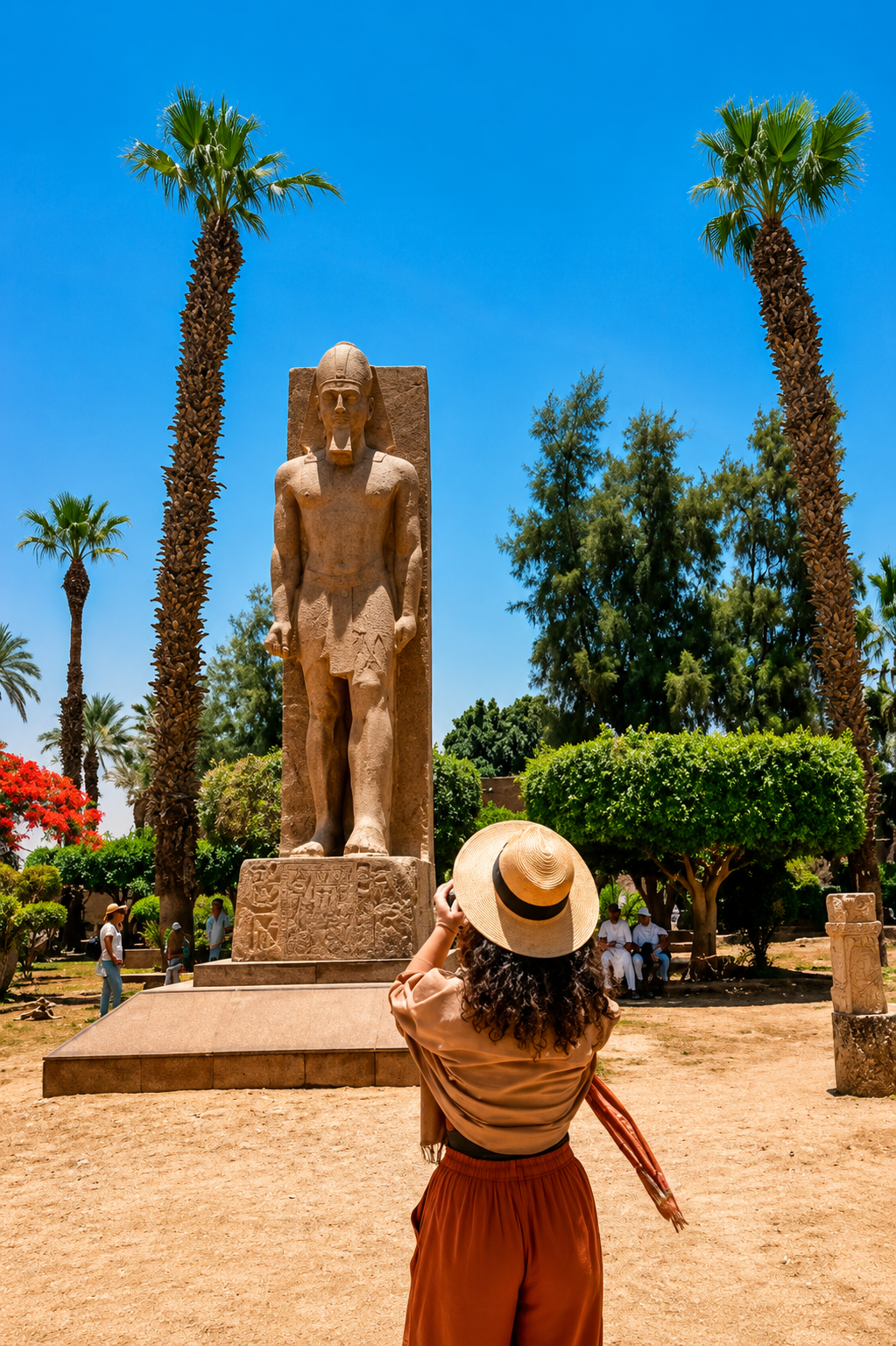
Memphis, Egypt is one of the most fascinating archaeological destinations near Cairo and an important part of Egypt’s ancient history. Once the powerful capital of ancient Egypt, Memphis played a major role in politics, religion, art, and culture for thousands of years.
Although much of the ancient city has disappeared, the archaeological remains at Mit Rahina preserve impressive statues, sphinxes, and monuments that give visitors a glimpse into the greatness of this once-important Egyptian capital.
A visit to Memphis is often combined with Saqqara and the Giza Pyramids, creating an unforgettable journey through different periods of ancient Egyptian civilization.
Where Is Memphis in Egypt?
The ancient city of Memphis is located approximately 20 kilometers south of modern Cairo, near the village of Mit Rahina. Its location makes it an easy destination to include in a day trip from Cairo.
Memphis is also close to Saqqara, one of Egypt’s most important ancient necropolises. Because of this, many travelers visit Memphis and Saqqara together before returning to Cairo.
The surrounding landscape has changed significantly over thousands of years, but the archaeological remains still demonstrate the importance of the area.
The History of Memphis
Memphis was established near the beginning of ancient Egyptian history and became one of the most important cities in the country.
Its strategic location near the Nile Valley and the entrance to the Nile Delta allowed Memphis to develop into an important administrative, commercial, and religious center.
The city remained influential for much of ancient Egyptian history. Even when political power shifted to other cities, Memphis continued to have major religious and cultural importance.
For ancient Egyptians, Memphis was more than just a capital. It was a sacred city connected to important gods, temples, royal ceremonies, and religious traditions.
Memphis and the Unification of Egypt
Memphis is traditionally associated with the early unification of Upper and Lower Egypt.
Its location between the two regions made it an ideal administrative center for a newly unified kingdom. This strategic position helped Memphis become one of the most influential cities in ancient Egypt.
The city’s importance continued through different dynasties, and successive rulers contributed to its temples, statues, and religious buildings.
The God Ptah and Memphis
One of the most important reasons Memphis became a major religious center was its connection with Ptah.
Ptah was an important ancient Egyptian creator god and was especially associated with craftsmen, artists, builders, and artisans.
The great temple of Ptah was one of the most important religious complexes in Memphis. Although much of the temple has disappeared, archaeological discoveries have revealed statues and architectural remains connected with the ancient sanctuary.
The religious importance of Ptah helped make Memphis a center of Egyptian art and craftsmanship.
The Memphis Open-Air Museum
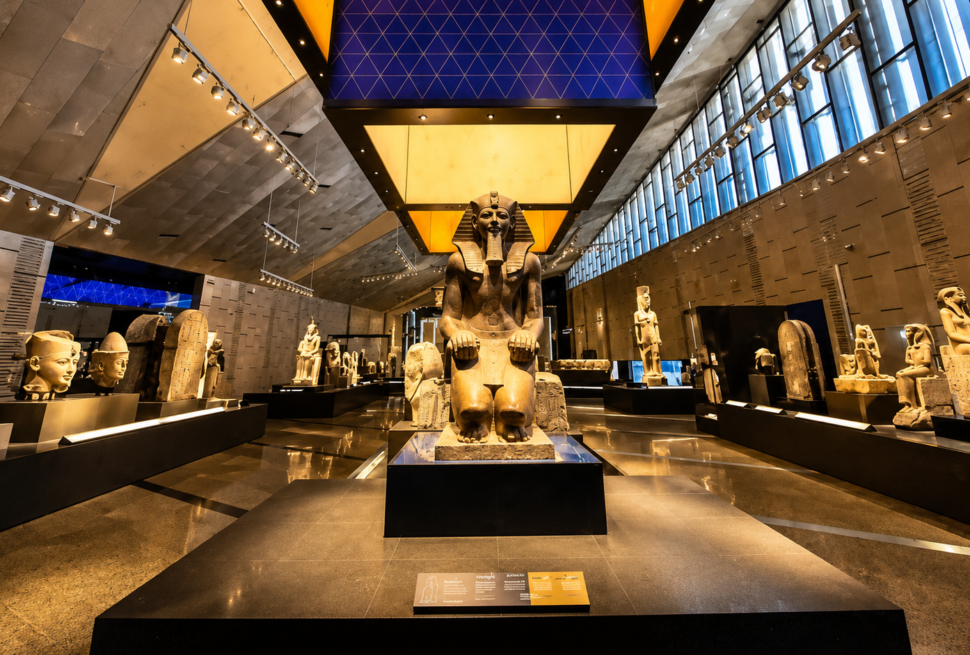
Today, visitors can explore the Memphis Open-Air Museum, where many important archaeological discoveries from the ancient city are displayed.
The museum contains enormous statues, sphinxes, columns, reliefs, and other remains. It provides an interesting introduction to the history of Memphis without requiring visitors to walk across a huge archaeological area.
One of the museum’s most famous exhibits is the colossal statue of Ramses II.
The Colossus of Ramses II
The colossal limestone statue of Ramses II is one of the most impressive monuments preserved at Memphis.
Ramses II was one of ancient Egypt’s most famous pharaohs and ruled during the New Kingdom. He is remembered for his long reign, military campaigns, diplomatic achievements, and enormous building projects.
The Memphis statue depicts Ramses II in a reclining position. Although parts of the statue are missing, its preserved details demonstrate the extraordinary skill of ancient Egyptian sculptors.
Visitors can see the statue from a special viewing area inside the museum.
The Alabaster Sphinx
Another major attraction at Memphis is the Alabaster Sphinx.
Unlike the enormous Great Sphinx of Giza, this sphinx is smaller but beautifully carved. It is made from alabaster and represents another example of the sophisticated artistic traditions of ancient Egypt.
The sphinx is traditionally associated with the New Kingdom and demonstrates the importance of royal and religious symbolism in Egyptian sculpture.
Seeing the Alabaster Sphinx alongside the colossal statue of Ramses II gives visitors a fascinating comparison between different types of ancient Egyptian monuments.
Memphis and Saqqara
One of the best ways to experience Memphis is to combine it with nearby Saqqara.
Saqqara served as a major necropolis for Memphis and contains thousands of years of tombs, temples, pyramids, and archaeological monuments.
The most famous monument at Saqqara is the Step Pyramid of Djoser, one of the earliest monumental stone structures in Egypt.
Visiting Memphis and Saqqara together allows travelers to understand the relationship between the ancient city and its burial grounds. Memphis was a center of administration and religion, while Saqqara served as its principal cemetery.
Memphis and the Giza Pyramids
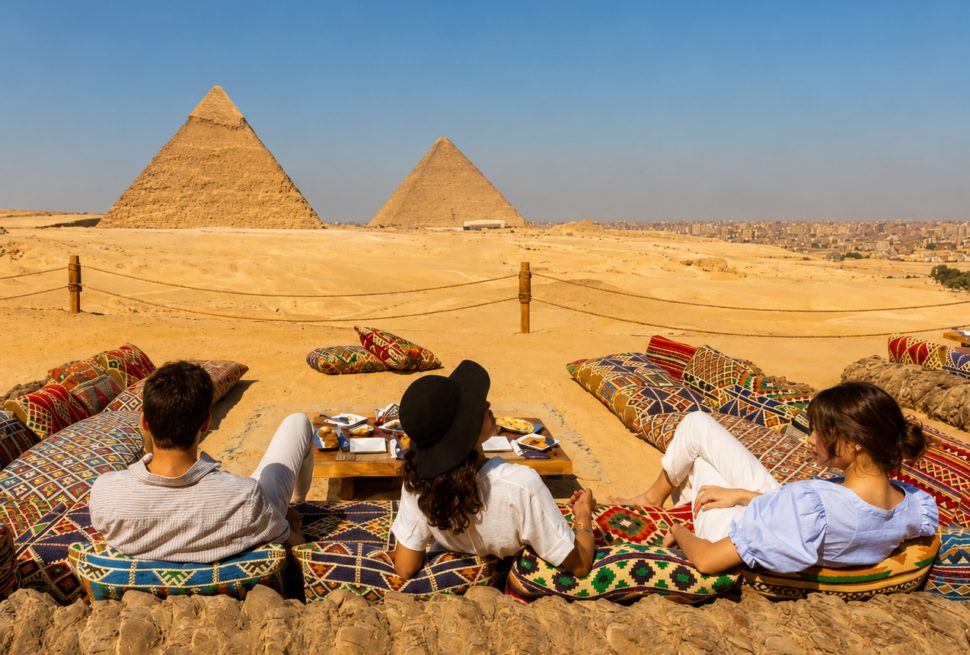
Memphis can also be included in a wider itinerary with the Giza Pyramids.
The Giza Plateau represents one of the greatest achievements of Egypt’s Old Kingdom, while Memphis provides insight into the ancient city and religious traditions that supported Egyptian civilization.
A full-day itinerary covering Giza, Memphis, and Saqqara is one of the most popular private sightseeing experiences from Cairo.
Travelers can start with the famous pyramids and Great Sphinx, continue to Memphis, and finish the day exploring the ancient tombs and Step Pyramid at Saqqara.
Why Is Memphis Important?
Memphis is important because it helps explain how ancient Egyptian civilization developed beyond the pyramids.
The pyramids are monumental symbols of ancient Egypt, but cities such as Memphis reveal the administrative, religious, artistic, and social systems behind that civilization.
The archaeological remains found at Memphis provide evidence of:
- Ancient Egyptian religion
- Royal power
- Sculpture and craftsmanship
- Temple architecture
- Political administration
- Pharaohs and dynasties
- Ancient Egyptian art and culture
For visitors interested in history, Memphis offers a deeper understanding of the civilization that created Egypt’s most famous monuments.
Best Time to Visit Memphis
The best time to visit Memphis is generally during the cooler months, from October to April. Temperatures are usually more comfortable for sightseeing and exploring archaeological sites.
During the summer, temperatures can become very high, so visiting in the morning is recommended.
Comfortable shoes, sunscreen, sunglasses, and bottled water are also useful when visiting Memphis and other archaeological attractions around Cairo.
How Long Do You Need in Memphis?
Most visitors can explore the main Memphis museum and archaeological remains in approximately one to two hours.
Because Memphis is close to Saqqara, the two destinations can easily be included in the same day. If you also want to visit the Giza Pyramids, plan for a full day.
Hiring an experienced Egyptologist can make the experience more informative by explaining the history behind the statues, temples, pharaohs, and religious traditions.
Visiting Memphis with My Cairo Trips
With My Cairo Trips, you can discover Memphis as part of a private Egypt sightseeing experience. Our tours can combine Giza, Memphis, and Saqqara, allowing you to explore some of the most important archaeological sites around Cairo in one day.
Travel comfortably in private transportation and learn from an experienced Egyptologist who can explain the history and significance of each location.
Memphis may not have the same monumental skyline as the Giza Pyramids, but its historical importance is enormous. Exploring its statues, sphinxes, and archaeological remains offers a unique opportunity to step beyond the famous pyramids and discover the ancient city that helped shape Egyptian civilization.
Whether you are visiting Egypt for the first time or returning to explore its history in greater depth, Memphis deserves a place on your Cairo travel itinerary.
Plan Your Memphis Egypt Tour
A trip to Memphis is an opportunity to connect several chapters of Egyptian history in one journey. From the ancient capital of Memphis to the tombs of Saqqara and the monumental pyramids of Giza, the area surrounding Cairo contains an extraordinary concentration of archaeological treasures.
Make Memphis part of your Egypt adventure with My Cairo Trips and discover the history, art, religion, and royal legacy of one of the world’s oldest civilizations.