


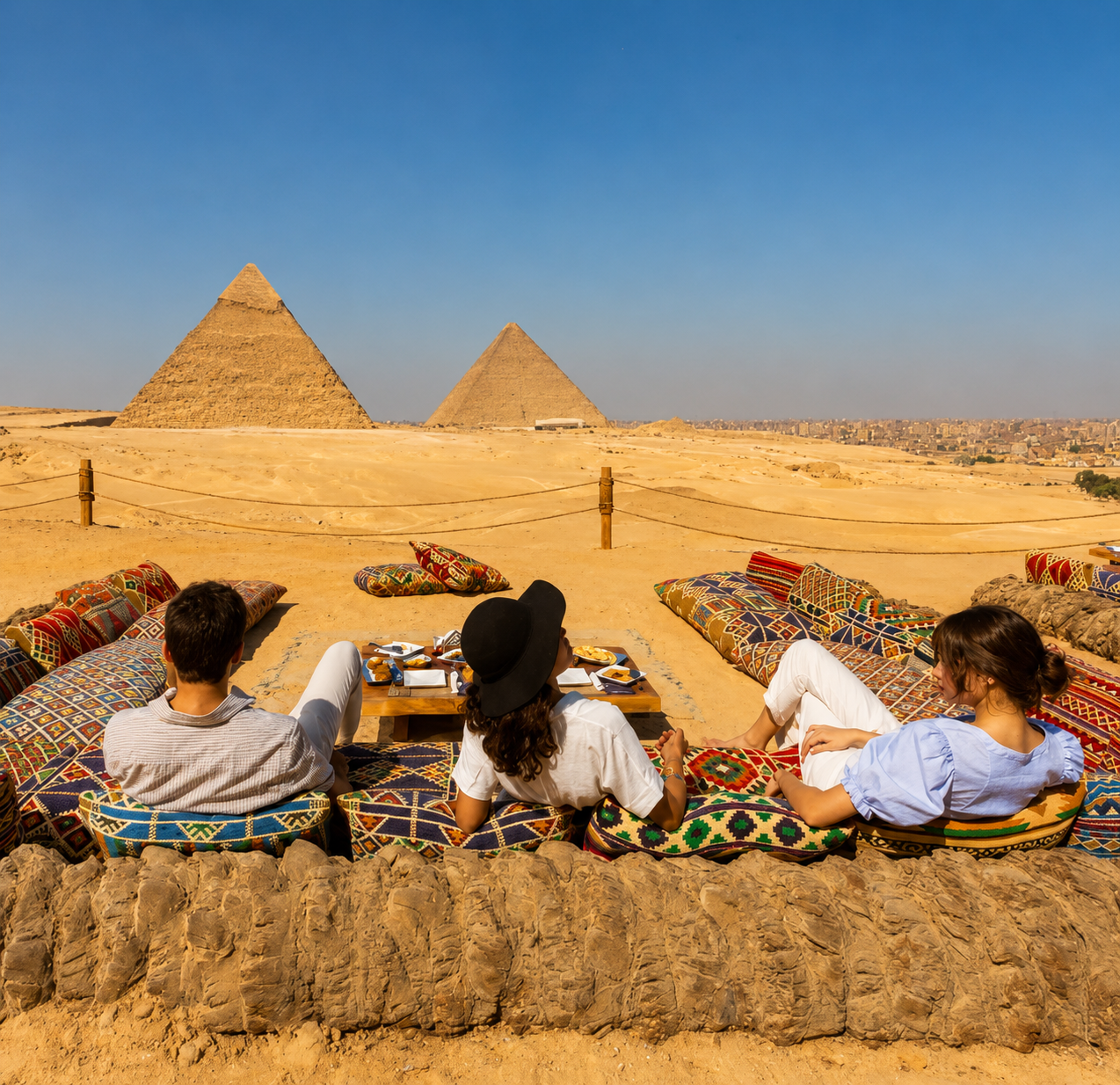
Giza, Egypt is one of the world’s most famous archaeological destinations and a must-visit place for anyone traveling to Egypt. Located on the western bank of the Nile River, just outside Cairo, Giza is best known for the magnificent Giza Pyramids and Great Sphinx.
The area offers much more than a famous photograph of the pyramids. Giza is a fascinating destination where ancient Egyptian history, desert landscapes, modern Egyptian life, and world-famous archaeological monuments come together.
Whether you are visiting Egypt for the first time or returning to explore its ancient history, Giza deserves a central place in your itinerary.
Where Is Giza?
Giza is located on the western side of the Nile River, directly opposite the central areas of Cairo. The city forms part of the Greater Cairo metropolitan area and is easily accessible from both Cairo and Cairo International Airport.
The Giza Plateau is located on the western edge of the urban area. Despite the modern city surrounding it, the plateau preserves one of the most extraordinary archaeological landscapes in the world.
The location makes Giza particularly convenient for travelers staying in Cairo or Giza hotels.
The Giza Pyramids
The most famous attractions in Giza are the three great pyramids built during Egypt’s Fourth Dynasty.
These are:
- The Great Pyramid of Khufu
- The Pyramid of Khafre
- The Pyramid of Menkaure
Together, they form the central attraction of the Giza Plateau.
The pyramids were constructed as royal burial monuments and represent an extraordinary combination of engineering, organization, craftsmanship, and religious belief.
The Great Pyramid of Khufu
The Great Pyramid of Khufu is the largest and most famous pyramid at Giza.
Built for Pharaoh Khufu, the pyramid originally stood significantly taller than it does today. It was constructed from millions of stone blocks and remained the tallest man-made structure in the world for thousands of years.
The Great Pyramid is the only surviving member of the Seven Wonders of the Ancient World.
Visitors can admire the pyramid from different viewpoints and, subject to ticket availability and current regulations, enter parts of the monument.
The Pyramid of Khafre
The Pyramid of Khafre is the second-largest pyramid on the Giza Plateau.
It appears taller than the Great Pyramid from certain viewpoints because it was constructed on higher ground. One of its most recognizable features is the remaining casing stones near the top.
The pyramid is traditionally associated with Pharaoh Khafre, whose reign dates to the Fourth Dynasty.
The monument forms an important part of the overall Giza landscape and is particularly impressive when viewed together with the Great Sphinx.
The Pyramid of Menkaure
The Pyramid of Menkaure is the smallest of the three main pyramids at Giza.
It was built for Pharaoh Menkaure and was constructed using a combination of limestone and granite.
Although smaller than the other two pyramids, Menkaure’s pyramid is an important part of the Giza complex and demonstrates the continued development of royal pyramid architecture during the Fourth Dynasty.
The Great Sphinx of Giza
The Great Sphinx is another iconic monument located on the Giza Plateau.
The enormous limestone monument has the body of a lion and a human head and is traditionally associated with Pharaoh Khafre.
The Sphinx has become one of the most recognizable symbols of Egypt.
Visitors can view the monument from several areas and learn about its possible religious and royal significance. Its mysterious expression and enormous size make it one of the highlights of any Giza tour.
Giza Pyramid Complex
The pyramids were not built as isolated monuments. Each formed part of a larger complex containing temples, causeways, smaller pyramids, tombs, and other structures.
These complexes were connected to the religious beliefs surrounding the pharaoh’s death and journey into the afterlife.
Exploring the wider plateau helps visitors understand that Giza was an enormous sacred landscape rather than simply a group of three pyramids.
Things to Do in Giza
There are many ways to experience Giza.
Visitors can explore the pyramids on foot, take photographs from panoramic viewpoints, visit the Great Sphinx, and learn about ancient Egyptian architecture.
Depending on current regulations and availability, visitors may also be able to enter selected pyramids or explore additional areas of the archaeological complex.
A guided tour with an Egyptologist is particularly useful because many details about the pyramids are difficult to understand simply by looking at the monuments.
Camel and Horse Experiences
Camel rides have traditionally been associated with visits to the Giza Plateau.
Some visitors enjoy experiencing the desert landscape from a camel, particularly around the panoramic areas of the plateau.
However, travelers should choose operators carefully and prioritize animal welfare. A camel or horse experience should be optional rather than necessary for enjoying the pyramids.
Giza and the Grand Egyptian Museum
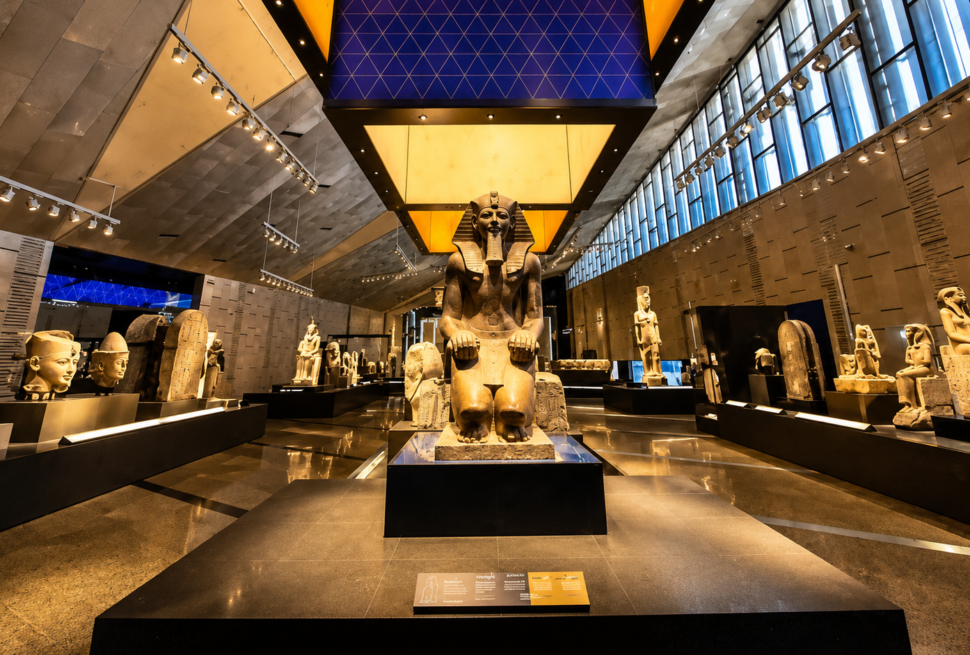
The Grand Egyptian Museum is located close to the Giza Plateau, making it easy to combine both attractions in one itinerary.
A visit to the pyramids allows you to experience the monumental architecture in its original landscape, while the museum provides an opportunity to explore ancient Egyptian artifacts and royal treasures.
This combination creates one of the most comprehensive cultural experiences available in Cairo.
Giza, Saqqara, Memphis, and Dahshur
Giza is also an excellent starting point for exploring other archaeological sites around Cairo.
Saqqara contains the famous Step Pyramid of Djoser and numerous ancient tombs.
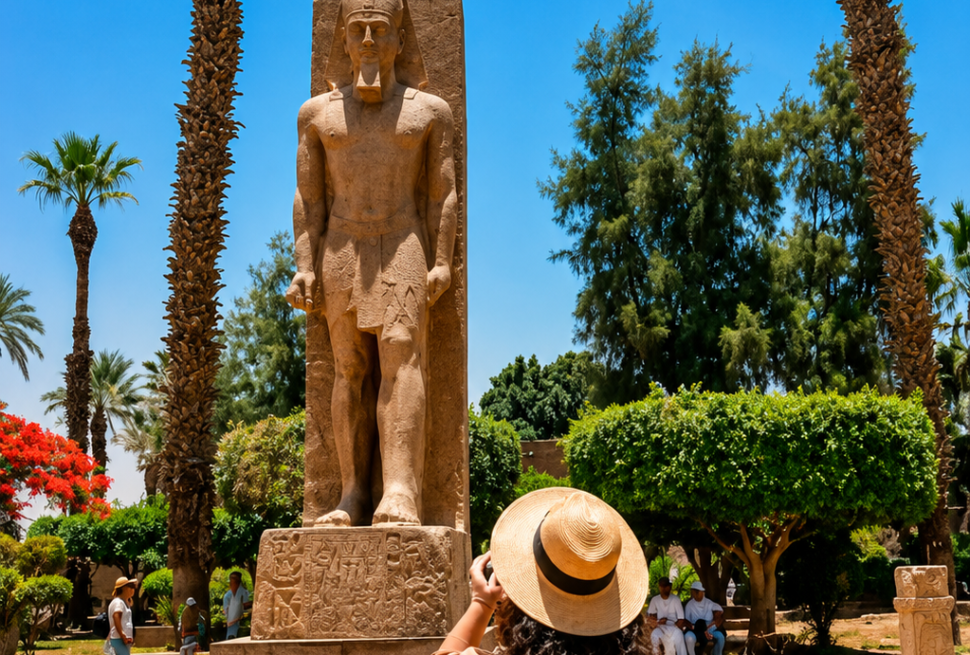
Memphis preserves important statues and archaeological remains from the ancient capital.
Dahshur is home to the Bent Pyramid and Red Pyramid and provides important evidence of the development of pyramid architecture.
A private full-day tour can combine several of these destinations depending on your interests and available time.
Best Time to Visit Giza
The cooler months between October and April are generally the most comfortable for exploring the Giza Plateau.
During the summer, temperatures can become extremely high, especially in the open desert area.
An early morning visit is recommended during warmer months. Comfortable walking shoes, sunscreen, sunglasses, and bottled water are also important.
Sunrise and early morning can also provide beautiful lighting for photography.
How Long Do You Need in Giza?
Most travelers should allow at least 3–4 hours to explore the main Giza attractions.
If you plan to enter a pyramid, spend more time taking photographs, visit additional monuments, or combine Giza with the Grand Egyptian Museum, you may want to dedicate most of a full day to the area.
A private tour allows you to adjust the schedule according to your interests.
Where to Stay in Giza
Giza offers a wide range of accommodation options, from budget hotels and guesthouses to luxury properties with pyramid views.
Staying in Giza can be particularly convenient if your main goal is to visit the pyramids and nearby attractions.
Some hotels provide impressive views of the pyramids, especially around the areas facing the Giza Plateau.
Why Visit Giza?
Giza is one of the few destinations in the world where visitors can stand directly beside monuments created thousands of years ago.
The pyramids are not only impressive because of their size. They represent the knowledge, organization, religious beliefs, and engineering abilities of ancient Egyptian civilization.
For many travelers, seeing the Great Pyramid and Great Sphinx in person is one of the defining experiences of visiting Egypt.
Explore Giza with My Cairo Trips
With My Cairo Trips, you can explore Giza through private tours designed around your schedule and interests.
Visit the Great Pyramid of Khufu, Pyramid of Khafre, Pyramid of Menkaure, and Great Sphinx with an experienced Egyptologist who can explain the history and significance of the monuments.
You can also combine Giza with the Grand Egyptian Museum, Saqqara, Memphis, or Dahshur to create a complete archaeological experience around Cairo.
Private transportation provides a comfortable way to move between the attractions, while a flexible itinerary allows you to spend more time at the places that interest you most.
Plan Your Giza Egypt Tour
A visit to Giza is an essential part of any Egypt holiday. The pyramids and Great Sphinx offer an unforgettable connection to one of the world’s oldest civilizations.
Whether you are interested in archaeology, photography, history, architecture, or simply want to experience one of the world’s most famous landmarks, Giza provides an extraordinary travel experience.
Explore the ancient pyramids, discover the story behind the pharaohs, and experience the timeless landscape of the Giza Plateau with My Cairo Trips.