


Overview
Step beyond Cairo’s famous pyramids and museums and discover another side of the city through its historic palaces, royal residences, elegant mansions, and hidden architectural gems.
Highlights
- Manial Palace Museum
- Baron Empain Palace
- Historic Cairo mansions
- Abdeen Palace area
- Sakakini Palace exterior
- Royal and aristocratic architecture
- Hidden courtyards and gardens
- Historic neighborhoods
- Photography opportunities
- Professional Egyptologist
- Private transportation
- Cultural and architectural experience
Itinerary Description
Discover the lesser-known architectural treasures of Cairo on a private journey through the city's forgotten palaces and historic mansions. Visit the beautifully decorated Manial Palace Museum, explore the extraordinary Baron Empain Palace, and see additional historic residences and palace exteriors around Cairo. Learn how Egypt's royal families, princes, and wealthy residents shaped the architectural character of modern Cairo before returning to your hotel.
Cairo Airport: Meet your representative and transfer to the Giza Plateau.
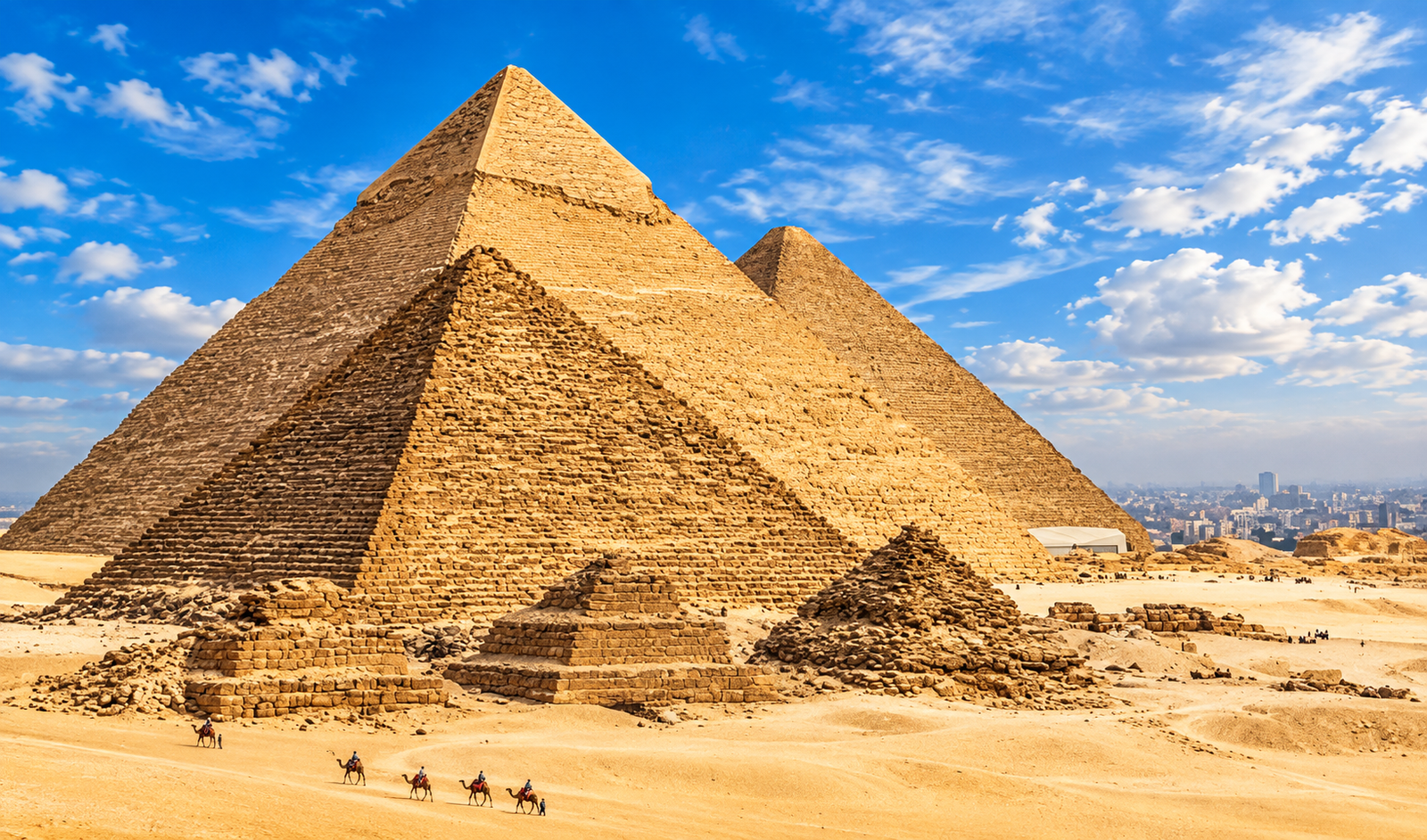
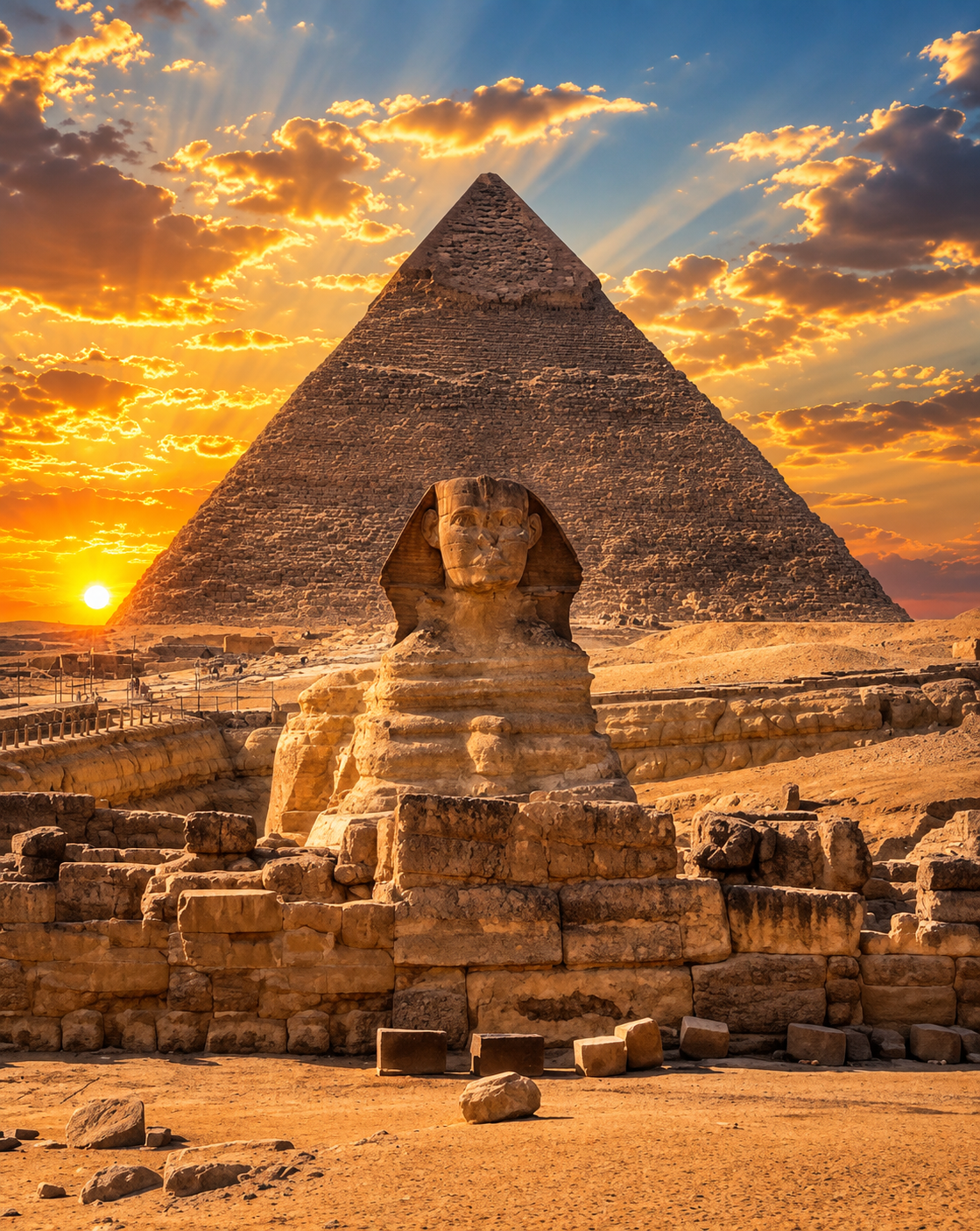
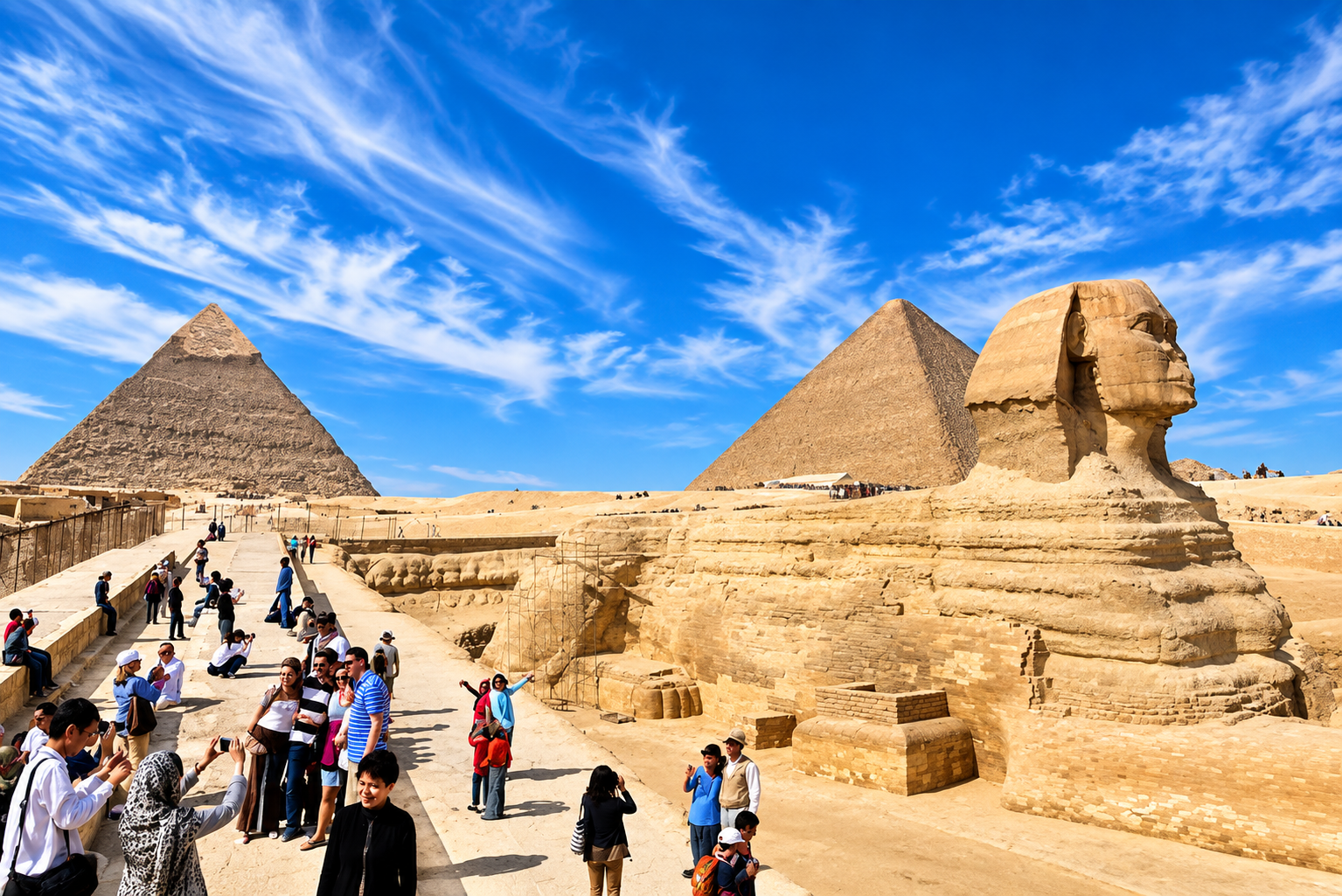
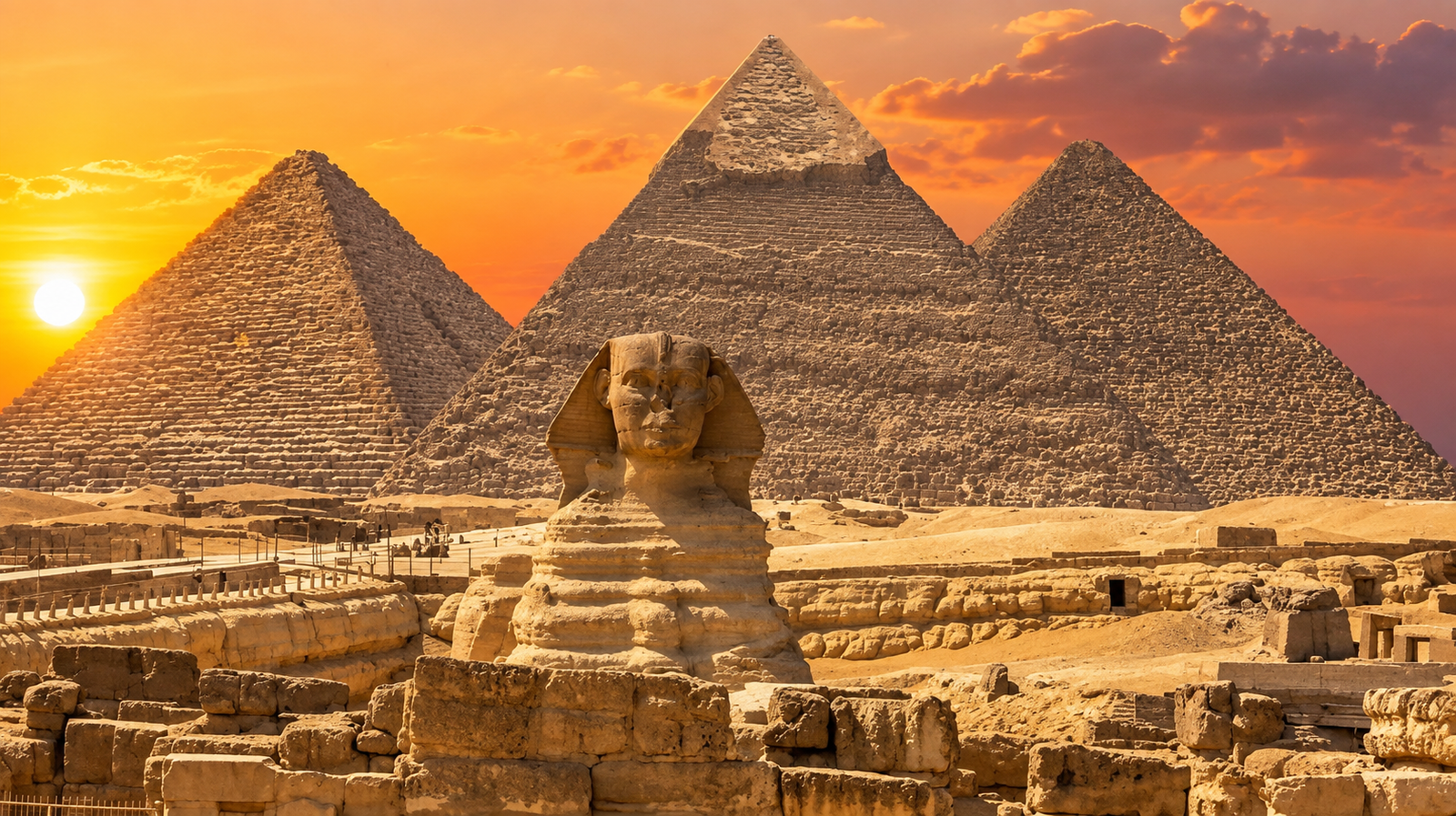
Giza Pyramids: Visit the Great Pyramid of Khufu, Pyramid of Khafre, Pyramid of Menkaure, and Great Sphinx.
Saqqara: Explore the Step Pyramid of Djoser and the ancient Saqqara Necropolis.
Return to Cairo Airport: Transfer back to the airport in time for your connecting flight.
Includes/Excludes
Includes
- Hotel pickup and drop-off
- Private air-conditioned vehicle
- Professional English-speaking Egyptologist
- Manial Palace Museum visit
- Baron Empain Palace visit
- Historic Cairo sightseeing
- Palace and mansion photo stops
- Bottled water
- Private cultural tour
Excludes
- Lunch
- Drinks
- Personal expenses
- Photography fees where applicable
- Special photography sessions
- Optional entrance fees not included in the selected package
- Tips and gratuities
- Travel insurance
- Any service not specifically mentioned under Includes
More Info
Step beyond Cairo’s famous pyramids and ancient temples and discover another side of Egypt’s capital on Cairo’s Forgotten Palaces & Hidden Mansions.
Cairo is often associated with pharaohs, mosques, bustling markets, and the Nile, but the city also contains a remarkable collection of royal palaces, elegant mansions, historic villas, and architectural treasures connected to Egypt’s modern history.
Hidden behind busy streets, gardens, and residential neighborhoods are buildings that tell stories about Egypt’s royal family, wealthy families, European architects, ambitious rulers, artists, and the transformation of Cairo into a modern capital.
This private cultural experience is designed for travelers who want to explore the lesser-known architectural side of Cairo.
Instead of focusing only on the city’s most famous monuments, you will discover historic palaces and mansions while learning about the people, architectural styles, and historical events connected to them.
Discover a Different Side of Cairo
Modern Cairo developed through many different architectural and cultural influences.
During the 19th and early 20th centuries, Cairo experienced major urban changes, particularly during the reign of Khedive Ismail and the later period of the Egyptian monarchy.
New streets, squares, gardens, bridges, villas, and palaces appeared across the city.
European architectural ideas were combined with Islamic, Ottoman, Andalusian, Persian, Moroccan, and other influences, creating an architectural landscape unlike almost anywhere else.
Some buildings became famous royal residences.
Others were private mansions belonging to influential families.
Some were transformed into museums or cultural institutions, while others disappeared into the rapidly expanding city.
This experience takes you into that fascinating chapter of Cairo’s history.
Abdeen Palace and the Birth of Modern Cairo
One of the most important palaces connected to modern Cairo is Abdeen Palace.
Located in central Cairo, Abdeen Palace was commissioned by Khedive Ismail after he came to power in 1863. Construction took about ten years, and the palace became the seat of government in the late 19th century.
The palace was constructed on the site of an earlier mansion associated with Abdeen Bey, a military commander during the Muhammad Ali dynasty.
The palace became an important center of political and royal life and remained closely connected with Egypt’s rulers until the end of the monarchy in 1952.
Today, the Abdeen Palace museum complex includes collections covering subjects such as weapons, royal silverware, decorations and medals, presidential gifts, and historical documents.
For visitors interested in architecture and history, Abdeen offers an opportunity to see how Cairo’s royal and political world developed during the transition into modern Egypt.
Manial Palace: A Royal World Hidden Beside the Nile
Another fascinating stop is the Manial Palace Museum, associated with Prince Muhammad Ali.
Located on Roda Island in the Manial district, the palace complex reflects the artistic interests of Prince Muhammad Ali and combines several architectural traditions.
The official Cairo and Egyptian monuments sources describe the palace as incorporating Islamic architectural influences including Mamluk, Persian, Ottoman, Moroccan, Andalusian, and Levantine elements.
The complex includes reception areas, a clock tower, a mosque, residential buildings, a throne hall, a private museum, a golden hall, and gardens.
This makes Manial Palace particularly interesting for travelers who enjoy architecture.
Instead of one single architectural style, the palace presents a fascinating mixture of influences.
Every room can reveal different decorative details, colors, patterns, woodwork, tiles, inscriptions, and artistic elements.
Baron Empain Palace and the Strange Architecture of Heliopolis
One of Cairo’s most unusual historic residences is Baron Empain Palace in Heliopolis.
Built between 1907 and 1911 for Belgian industrialist Édouard Empain, the palace became one of the most recognizable architectural landmarks in the district.
Its architecture is dramatically different from traditional Egyptian palaces.
The design incorporates influences associated with Indian and Southeast Asian architecture, including decorative figures and motifs that make the building immediately recognizable.
The Ministry of Tourism and Antiquities notes that French architect Alexandre Marcel designed the palace, while Georges-Louis Claude worked on the interior decoration.
The palace was built with a basement and two main floors, with a distinctive tower and surrounding garden.
Today, it provides a fascinating example of the international architectural influences that shaped early Heliopolis.
Heliopolis: The City Behind the Palace
Visiting Baron Empain Palace also provides an opportunity to understand the story of Heliopolis itself.
When the district was being developed, the area east of Cairo was largely desert.
Empain was involved in the development of a new urban community that would eventually become Heliopolis, or the “City of the Sun.”
The palace therefore represents more than an unusual residence.
It is connected to the story of how an entirely new Cairo suburb emerged from the desert through ambitious urban planning and development.
The combination of villas, avenues, gardens, hotels, religious buildings, and distinctive architecture created a neighborhood unlike older parts of Cairo.
Forgotten Mansions and Hidden Architecture
Not every architectural treasure in Cairo is a famous palace.
Across neighborhoods such as Zamalek, Garden City, Downtown Cairo, Heliopolis, and Manial, you can find historic villas and mansions reflecting the city’s cosmopolitan past.
Some were built for members of wealthy Egyptian families.
Others were associated with diplomats, aristocrats, businessmen, artists, and members of the royal household.
Their architecture can reveal a fascinating mixture of influences.
You may see European façades beside Islamic decorative details, Italian-inspired interiors combined with Egyptian craftsmanship, or Andalusian and Ottoman motifs incorporated into modern residences.
Many travelers walk past these buildings without realizing the stories behind them.
That is exactly what makes this experience different.
Samiha Kamil Palace and Cairo’s Cultural Heritage
One example of a lesser-known palace is Samiha Kamil Palace in Zamalek.
The palace was built in 1902 and later acquired by Princess Samiha, daughter of Sultan Hussein Kamel.
Its architecture reflects Andalusian influences as well as Moroccan, Ottoman, Renaissance, Greek, and Roman decorative elements.
The palace was later converted into a cultural institution and became associated with Cairo’s library system.
Buildings like this demonstrate how Cairo’s architectural history extends far beyond the better-known royal palaces.
Architecture as a Story
One of the most interesting aspects of this tour is learning how to read Cairo’s buildings.
A doorway can reveal the status of a former owner.
A balcony can show European architectural influence.
A dome may reference Islamic traditions.
A garden can reveal how wealthy families designed their private residences.
Decorative tiles can point toward Ottoman, Persian, Moroccan, or Andalusian influences.
Even the location of a mansion can tell a story about how Cairo expanded.
Your guide will help connect these architectural details with the historical events and people behind them.
A Photographer’s Dream
For photographers, Cairo’s historic palaces and mansions offer a different kind of photographic experience.
Instead of photographing only monuments that appear on every postcard, you can focus on architectural details and atmospheric scenes.
Look for:
- Historic façades
- Decorative doors
- Balconies
- Arched windows
- Islamic patterns
- European architectural details
- Gardens
- Staircases
- Decorative ceilings
- Ironwork
- Historic streets
- Architectural contrasts
The combination of sunlight, shadows, aging surfaces, and decorative details can produce striking photographs.
If you enjoy architectural photography, this experience can be particularly rewarding.
Cairo’s Architectural Contrasts
One of the defining characteristics of Cairo is its contrast.
A historic palace can stand close to a modern apartment building.
A century-old villa may sit beside a busy commercial street.
An elegant royal residence can exist only minutes from crowded neighborhoods.
These contrasts are part of what makes Cairo such an interesting city to photograph and explore.
Rather than seeing Cairo as a collection of isolated attractions, this tour helps you understand the city as a continuously evolving urban landscape.
A Journey Through Egypt’s Modern History
The palaces are also windows into the political and social history of modern Egypt.
They can introduce stories connected with:
- The Muhammad Ali dynasty
- Khedive Ismail
- The Egyptian monarchy
- Egypt’s relationship with Europe
- The development of modern Cairo
- The growth of Heliopolis
- Royal traditions
- Art and architecture
- The transformation of Cairo during the 19th and 20th centuries
Your guide can explain these stories in an accessible way, connecting the buildings you see with the larger history of Egypt.
Private and Flexible Experience
This is a private Cairo cultural tour, allowing the itinerary to be adjusted around your interests and available time.
Architecture lovers may want to spend more time exploring historic buildings.
Photographers may prefer additional stops in neighborhoods with interesting façades and streets.
History enthusiasts can focus more heavily on the royal families and political events associated with the palaces.
The exact itinerary can also depend on opening hours, access restrictions, and which buildings are available to visitors on your travel date.
Some historic mansions are private properties or have limited public access, so the experience focuses on locations that can be appropriately visited or viewed from permitted areas.
Who Is This Tour For?
Cairo’s Forgotten Palaces & Hidden Mansions is ideal for:
- Architecture lovers
- History enthusiasts
- Photographers
- Art lovers
- Couples
- Solo travelers
- Cultural travelers
- Repeat visitors to Cairo
- Travelers looking for unusual experiences
- Visitors who want to explore beyond the traditional tourist attractions
It is particularly suitable for travelers who have already visited the pyramids and major museums and want to discover another layer of Cairo.
Beyond the Pyramids
The pyramids tell the story of ancient Egypt.
Cairo’s palaces tell another story.
They reveal the transformation of Egypt during the modern era, the ambitions of its rulers, the influence of international architecture, and the lifestyles of royal and wealthy families.
Together, these buildings help explain how Cairo developed from an historic city into the enormous modern capital you see today.
Book Cairo’s Forgotten Palaces & Hidden Mansions
Step away from the usual Cairo sightseeing route and discover the architectural stories hidden throughout the city.
Explore royal palaces, historic mansions, distinctive villas, elegant neighborhoods, and unusual architectural landmarks while learning about the people and events that shaped modern Cairo.
From the grand halls of Abdeen to the artistic character of Manial Palace and the extraordinary architecture of Baron Empain Palace, this experience offers a different perspective on Egypt’s capital.
Discover the palaces, mansions, architecture, and stories that many visitors never see — and experience Cairo beyond the pyramids.
Frequently Asked Questions
FAQs
Approximately 7–8 hours, depending on traffic and time spent at each location.
Yes. The tour is arranged as a private experience with a private vehicle and dedicated Egyptologist.
The main program includes Manial Palace Museum and Baron Empain Palace, with additional palace and mansion photo stops depending on access and timing.
Yes. The official Ministry of Tourism and Antiquities website currently lists the Manial Palace Museum with regular visiting hours, subject to changes and special schedules
The palace complex includes reception areas, residence halls, the throne hall, mosque, clock tower, private museum, and other architectural features.
The palace is particularly known for its distinctive Indian-inspired design and unusual tower. It was built between 1907 and 1911.
Yes, photography is generally possible, subject to the rules of each location. Some museums or special areas may require an additional photography ticket.
Interior access depends on the operating schedule and current visitor arrangements. The itinerary can use the palace area as a sightseeing or photo stop when interior access is unavailable.
The standard tour is designed for daytime visits because access to museums and historic properties depends on their official opening hours.
Yes. The itinerary can be adjusted to focus more heavily on royal history, architecture, photography, or historic Cairo.
Yes. The tour offers architectural details, courtyards, domes, towers, historic façades, gardens, and old Cairo streets that provide excellent photography opportunities.
Yes. Families can visit the museum, although children should remain accompanied by an adult and follow museum visitor regulations.
Comfortable walking shoes and respectful clothing are recommended, particularly when visiting historic religious or cultural buildings.
Morning and early afternoon are generally convenient for combining several palace visits while respecting official opening hours.