




Overview
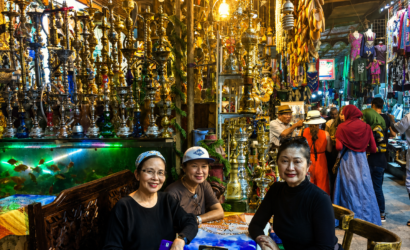
Discover a different side of Cairo away from the main tourist attractions. Explore hidden streets, historic neighborhoods, traditional markets, local workshops, small cafés, and everyday Egyptian life with a professional Egyptologist/local guide. Walk through atmospheric areas of old Cairo, meet local artisans, and experience the city like a local.
Highlights
- Hidden streets of Historic Cairo
- Local markets and traditional shops
- Local handicraft workshops
- Traditional Egyptian cafés
- Street food opportunities
- Historic architecture
- Local neighborhoods
- Cultural experiences
- Photography opportunities
- Private walking and sightseeing experience
- Professional English-speaking guide
Itinerary Description
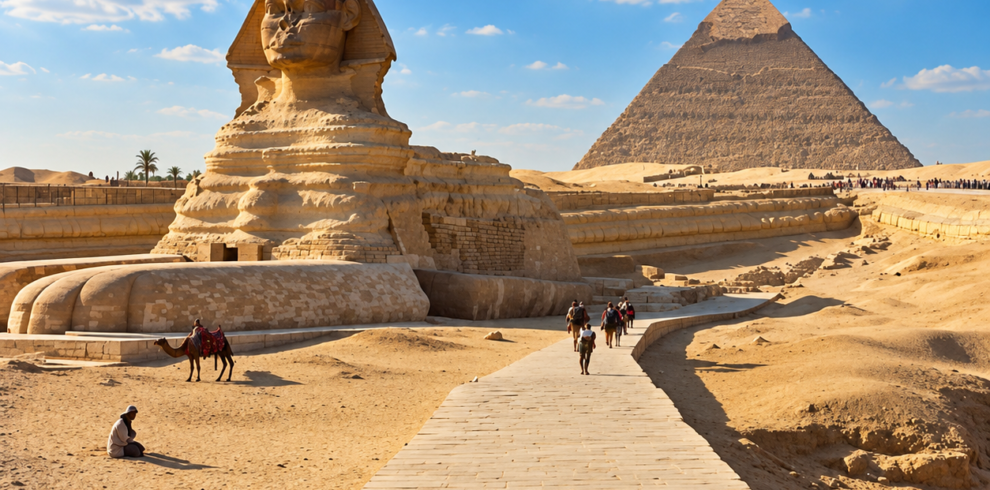
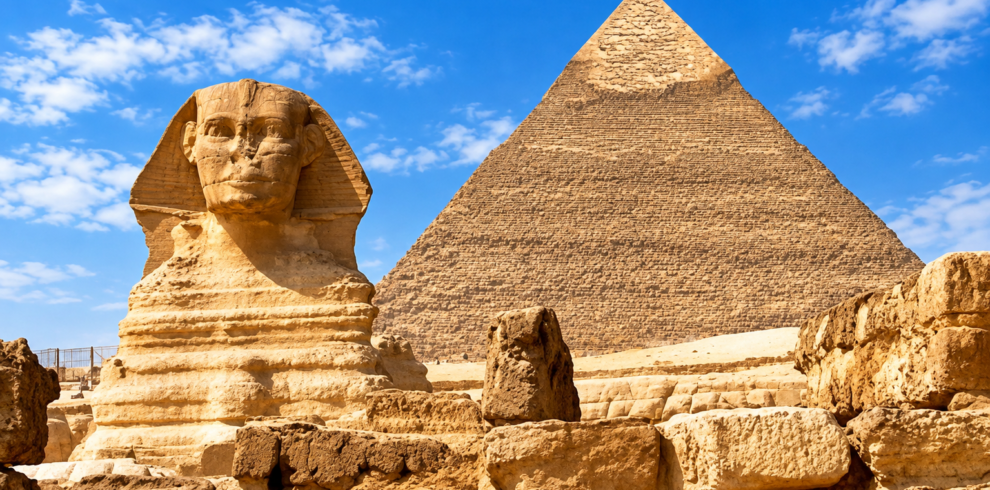
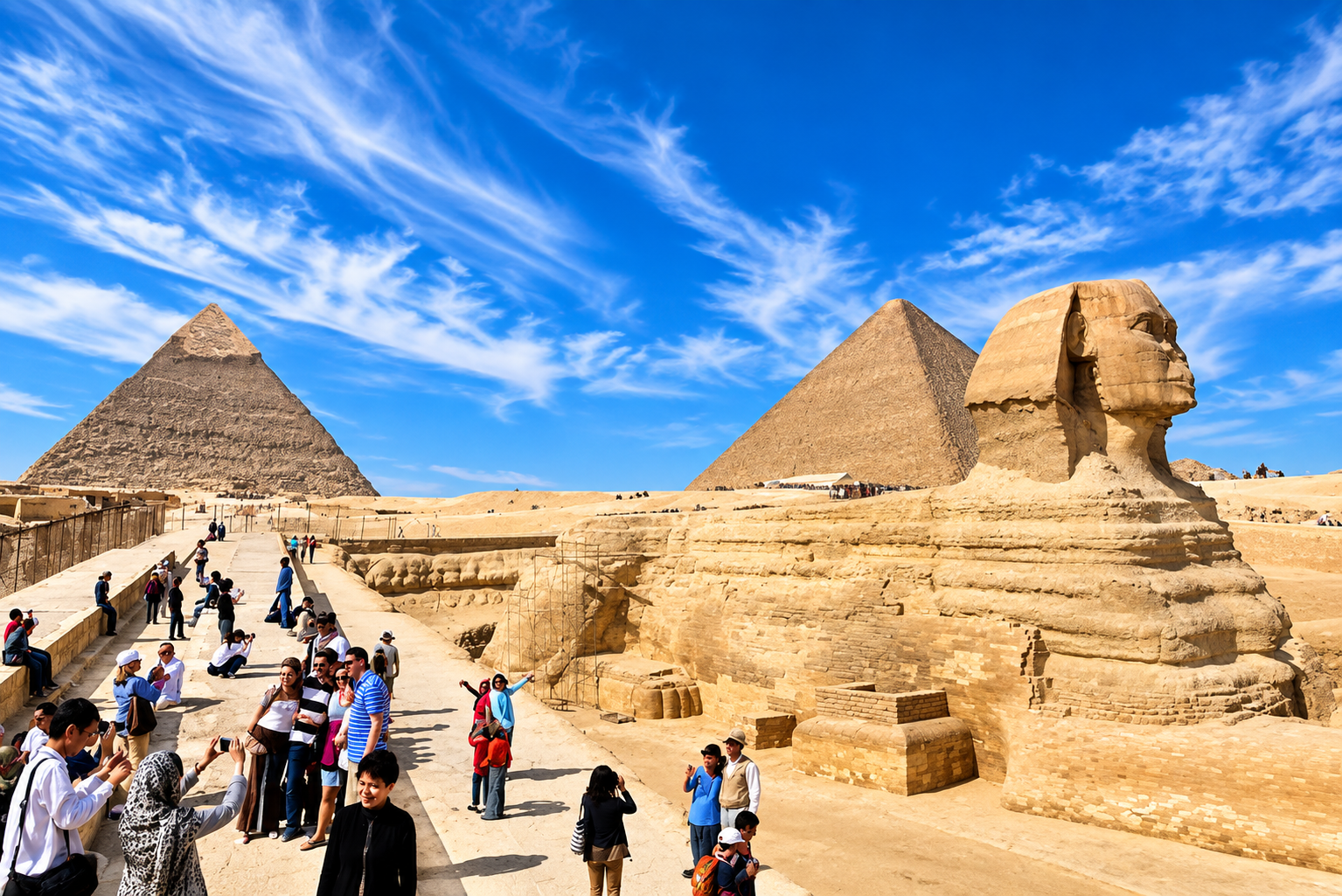
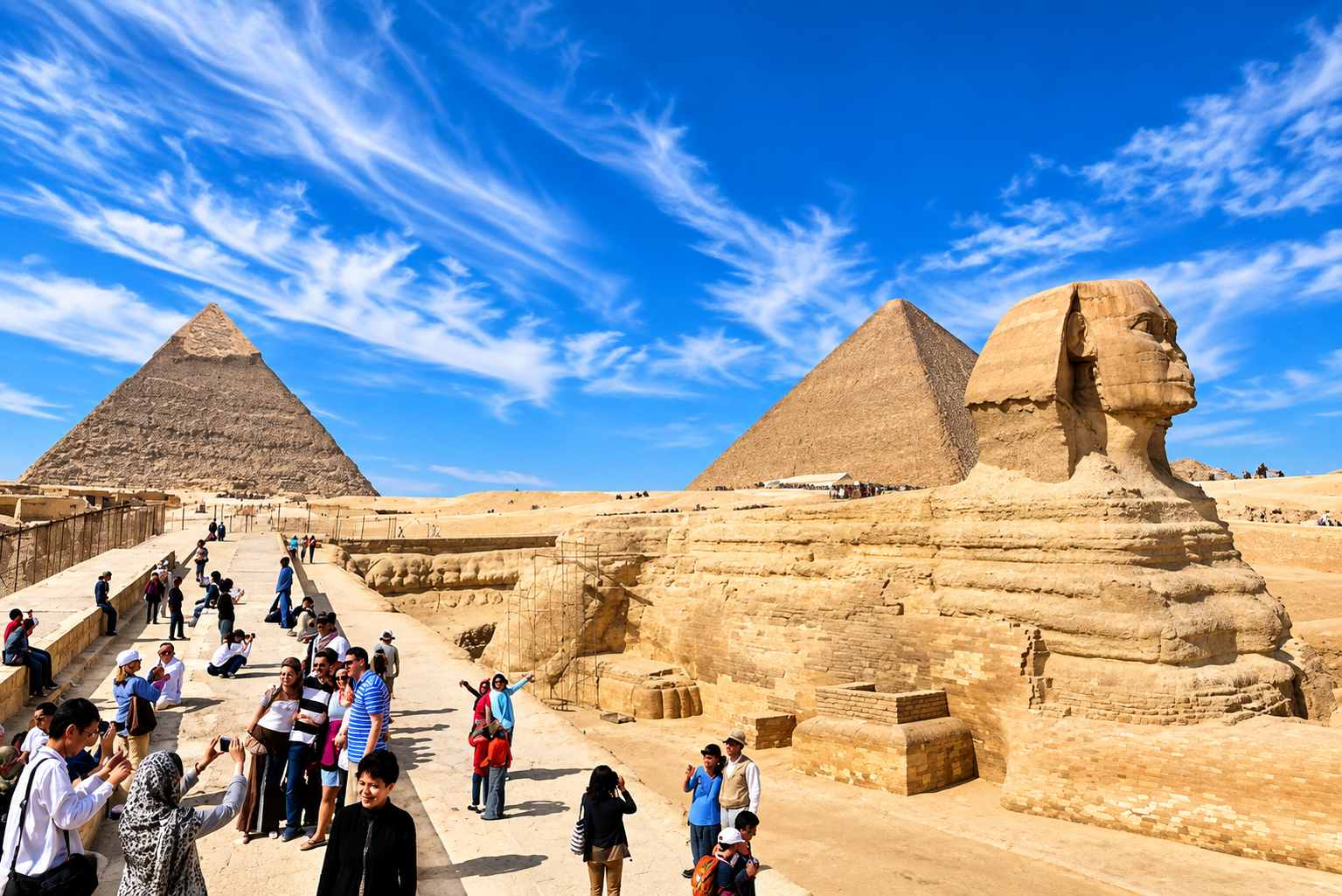
Make the most of your Cairo layover with a private archaeological adventure to the Giza Pyramids, Great Sphinx, and Saqqara. Explore the iconic pyramids with a professional Egyptologist, discover the famous Step Pyramid of Djoser and ancient Saqqara Necropolis, then return to Cairo International Airport in time for your connecting flight.
Cairo Airport: Meet your representative and transfer to the Giza Plateau.
Giza Pyramids: Visit the Great Pyramid of Khufu, Pyramid of Khafre, Pyramid of Menkaure, and Great Sphinx.
Saqqara: Explore the Step Pyramid of Djoser and the ancient Saqqara Necropolis.
Return to Cairo Airport: Transfer back to the airport in time for your connecting flight.
Includes/Excludes
Includes
- Airport pickup and drop-off
- Private air-conditioned vehicle
- Professional English-speaking Egyptologist
- Giza Pyramids visit
- Great Sphinx visit
- Saqqara visit
- Step Pyramid of Djoser
- Entrance tickets according to the selected package
- Bottled water
- Private sightseeing experience
- All transfers mentioned in the itinerary
Excludes
- Entrance inside the Great Pyramid or other optional areas
- Lunch
- Drinks
- Personal expenses
- Optional activities
- Tips and gratuities
- Travel insurance
- Any service not specifically mentioned under Includes
More Info
Cairo is famous around the world for the Pyramids of Giza, the Sphinx, the Egyptian Museum, and the bustling streets of Khan el Khalili. But beyond these iconic attractions lies another Cairo—one that is quieter, more personal, and deeply connected to everyday Egyptian life.
Hidden Cairo: Secret Streets & Local Life is an invitation to explore the city beyond the standard tourist route. Wander through historic neighborhoods, discover small workshops, traditional markets, peaceful courtyards, local cafés, and streets where generations of Cairenes have lived and worked.
If you want to experience Cairo as more than a collection of famous monuments, exploring its hidden streets can reveal a completely different side of Egypt.
Discovering the Cairo Most Visitors Miss
Cairo is one of the world’s largest cities, and its history stretches across thousands of years. Ancient Egyptian, Roman, Coptic, Islamic, Ottoman, and modern Egyptian influences can all be found within the city.
While many visitors spend their time visiting major monuments, some of Cairo’s most memorable experiences happen between the landmarks.
A walk through an old neighborhood can reveal architectural details that are easy to miss from a tour bus. An elderly craftsman may still be working in a tiny workshop using techniques passed down through generations. A neighborhood bakery may be preparing fresh bread for local families, while a traditional café fills with residents meeting friends over tea.
This is the everyday Cairo that doesn’t always appear in guidebooks.
Al-Muizz Street: A Journey Through Historic Cairo
One of the best places to begin exploring hidden Cairo is Al-Muizz Street, located in the heart of Historic Cairo.
The street is surrounded by some of the most impressive examples of medieval Islamic architecture in the city. Mosques, madrasas, old houses, gates, and traditional buildings line the historic route.
But Al-Muizz is more than an architectural attraction.
Walk slowly and look beyond the major monuments. You’ll find small shops selling traditional crafts, local food vendors, workshops, and residents going about their daily routines.
The surrounding streets can be even more interesting than the main road. Narrow passages lead into neighborhoods where traditional Cairo remains part of everyday life.
For photographers, Al-Muizz offers countless opportunities—from detailed architectural decorations to colorful storefronts and spontaneous scenes of local life.
The Streets Around Khan el Khalili
Khan el Khalili is one of Cairo’s most famous markets, but there is much more to the area than souvenir shops.
Move away from the busiest market streets and you’ll find narrow lanes, traditional workshops, small cafés, and local businesses.
The market has been part of Cairo’s commercial life for centuries. Today, visitors can still see artisans working with metal, leather, wood, and other materials.
Instead of simply buying souvenirs, take time to observe how the neighborhood functions.
You may see shopkeepers opening their stores in the morning, craftsmen working on handmade products, families shopping for everyday items, and friends gathering in cafés.
This is where the tourist experience and local life overlap.
Local Cafés and Egyptian Tea Culture
One of the simplest ways to experience Cairo like a local is to spend time in a traditional café.
Egyptian cafés, often called ahwas, are important social spaces. People visit them to meet friends, watch football, play backgammon, read newspapers, or simply enjoy a cup of tea.
You don’t need an elaborate plan.
Find a comfortable seat, order Egyptian tea, coffee, or another local drink, and watch the rhythm of the neighborhood.
In some areas, cafés are busy late into the evening. Conversations continue, children play nearby, and the streets remain active long after sunset.
For travelers, these simple moments can become some of the most authentic memories of Cairo.
Explore Coptic Cairo Beyond the Main Attractions
Coptic Cairo is another area where history and everyday life exist side by side.
The neighborhood is known for historic churches, ancient religious sites, and narrow stone streets. Places such as the Hanging Church and the Church of Saints Sergius and Bacchus attract visitors interested in Egypt’s Christian heritage.
However, exploring beyond the principal attractions allows you to appreciate the character of the neighborhood itself.
Small streets, old buildings, local shops, and quiet corners create a very different atmosphere from the busy areas of central Cairo.
A knowledgeable local guide can help explain the history and traditions of the area while also showing visitors places they might otherwise walk past.
Street Food: Taste Cairo Like a Local
Food is one of the easiest ways to connect with local culture.
Cairo’s streets are filled with aromas from bakeries, restaurants, food carts, and neighborhood kitchens.
You might encounter koshari, one of Egypt’s most popular street foods, combining rice, pasta, lentils, chickpeas, tomato sauce, and crispy onions.
Another local favorite is ful medames, a traditional dish made from cooked fava beans and commonly served with bread and various toppings.
Don’t forget Egyptian bread, known locally as aish baladi, which is an essential part of everyday meals.
Street food experiences can be particularly memorable because they take you into the daily rhythm of the city. Instead of simply sitting in a tourist restaurant, you can see how local people eat, shop, and interact.
Of course, visitors should choose clean, busy food establishments and follow sensible food-safety precautions.
Discover Cairo’s Traditional Crafts
Hidden Cairo is also a city of artisans.
In several historic neighborhoods, craftsmen continue to produce traditional goods by hand. You may find workshops specializing in copper, wood, leather, textiles, jewelry, and other crafts.
Some workshops are tiny and easy to miss.
A guide who knows the neighborhood can help visitors understand what they are seeing and, where appropriate, introduce them to local craftspeople.
This adds another dimension to sightseeing. Instead of simply looking at historic objects in a museum, travelers can see traditional skills being practiced today.
The Charm of Downtown Cairo
Not every hidden Cairo experience has to be centuries old.
Downtown Cairo offers a fascinating contrast between historic streets and modern Egyptian city life.
Built largely during the late 19th and early 20th centuries, parts of Downtown feature European-inspired architecture, historic apartment buildings, old cinemas, cafés, bookstores, and busy commercial streets.
Take a walking tour through Downtown and look upward.
Some of the most interesting details are found above street level—balconies, decorative façades, old signs, and architectural elements that many visitors overlook.
Downtown also provides a glimpse into modern Cairo, where business, culture, shopping, transportation, and residential life all meet.
Local Markets Away From the Tourist Route
Cairo’s local markets offer another opportunity to experience everyday Egyptian life.
Instead of focusing only on tourist-oriented bazaars, explore neighborhood markets where residents shop for vegetables, fruit, spices, clothing, household goods, and everyday necessities.
These markets can be busy, noisy, colorful, and full of energy.
For photographers, they provide an opportunity to capture authentic scenes of Cairo without staging.
For travelers, they offer a chance to see what ordinary shopping looks like for people who live in the city.
Why a Local Guide Makes a Difference
Exploring hidden Cairo independently can be rewarding, but a local guide can add considerable depth to the experience.
Cairo’s neighborhoods contain layers of history that aren’t always obvious. A doorway may belong to a historic building. A narrow street may follow a route that has existed for centuries. A small workshop may represent a craft tradition with generations of history.
A professional local guide can explain these details, help with communication, recommend suitable local food experiences, and organize the route according to your interests.
For visitors who want photography, the itinerary can focus on interesting streets and local scenes. Food lovers can spend more time exploring markets and traditional restaurants. History enthusiasts can concentrate on architecture and historic neighborhoods.
Experience Cairo Beyond the Tourist Map
The greatest advantage of exploring hidden Cairo is that there isn’t just one version of the experience.
Every neighborhood has its own character.
One street may be filled with craftsmen. Another may be known for traditional food. A quiet courtyard may reveal historic architecture, while a busy market can introduce visitors to the energy of modern Egyptian life.
The key is to slow down.
Instead of rushing from one landmark to another, take time to walk, observe, listen, taste, and talk.
Cairo is not only a city of monuments. It is a living city.
Its history is visible in its buildings, but its personality is found in its people.
Best Time to Explore Hidden Cairo
The cooler months, generally from autumn through spring, are comfortable for walking tours. Early mornings and late afternoons can also provide pleasant conditions, particularly for photography.
Evenings offer a completely different atmosphere. Historic streets become illuminated, cafés become livelier, and neighborhoods take on a social energy that is difficult to experience during the middle of the day.
If you are visiting during the hotter months, consider starting earlier in the morning and taking breaks in cafés or indoor attractions.
A Different Way to See Egypt
Many travelers come to Egypt dreaming of standing in front of the Pyramids—and that experience is unforgettable.
But Egypt is much more than its ancient monuments.
A walk through a quiet Cairo street, a cup of tea in a traditional café, a conversation with a craftsman, the smell of fresh bread from a neighborhood bakery, or the sounds of an evening market can create memories just as powerful as visiting a famous monument.
Hidden Cairo: Secret Streets & Local Life is about discovering those moments.
It is about stepping away from the standard itinerary and seeing the city through a more local perspective.
If you want to experience Cairo beyond the Pyramids, museums, and major tourist attractions, exploring its historic neighborhoods and everyday streets is an excellent way to begin.
Explore Hidden Cairo with Let’s Explore Egypt
At Let’s Explore Egypt, we create private and personalized experiences for travelers who want to see more than the standard tourist route.
Our local experiences can combine historic neighborhoods, traditional markets, local food, photography opportunities, Islamic Cairo, Coptic Cairo, and other hidden corners of the city.
Whether you’re visiting Cairo for one day or staying for several nights, we can help create an itinerary based on your interests, schedule, and travel style.
Discover the Cairo that exists beyond the postcards.
Walk its streets. Meet its people. Taste its food. Discover its stories.
Your Egypt adventure doesn’t have to end at the famous landmarks. Sometimes, the most memorable part of Cairo is found on the street you almost didn’t turn into.
Frequently Asked Questions
FAQs
The tour takes approximately 6–8 hours, depending on your layover duration, traffic, and flight schedule.
Your representative will meet you at Cairo International Airport upon arrival.
Yes, the tour is arranged as a private experience with private transportation and a dedicated Egyptologist guide.
The tour includes the Pyramids of Giza, Great Sphinx, and Saqqara, including the famous Step Pyramid of Djoser.
Yes, a professional English-speaking Egyptologist accompanies the tour.
Yes, pickup from and return to Cairo International Airport are included.
A comfortable private air-conditioned vehicle is used throughout the tour.
Entrance fees depend on the selected package. Additional tickets may be required for optional areas and interior visits.
Yes, an interior visit can be added separately, subject to availability
Yes, Memphis can be added when your layover provides enough time.